Source Hand Embroidered Church Hat for Weddings, Services, and Events
Find 30 hand embroidered church hat options for weddings, religious services, and special events. Compare nylon, sinamay, and wool styles with custom designs, embroidery, and various colors to meet your specific sourcing needs; compare the available evidence and request quotations based on your requirements.
Key considerations
Products List


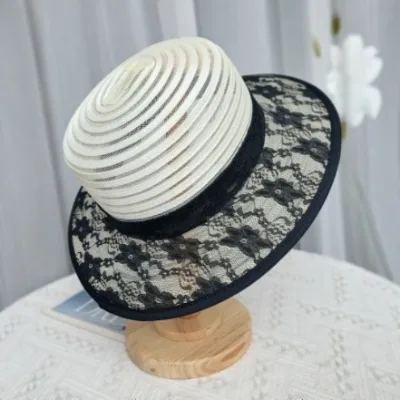


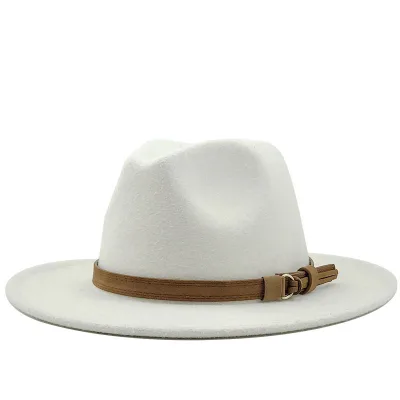


Comprehensive Sourcing Guide
Hand Embroidered Church Hat Sourcing Guide
Sourcing hand-embroidered church hats requires distinguishing between mass-produced caps and specialized ceremonial headwear. The market offers distinct variations, including models with brims and crowns designed specifically for wedding and church ceremonies. Buyers must verify that the "handmade" craft attribute aligns with the specific design requirements, as some listings indicate custom embroidery while others rely on machine processes like plain dyeing.
Procurement decisions should focus on the intended season and user demographic to ensure functional suitability. Observed listings frequently target summer or spring/autumn seasons with unisex or female-specific designs. It is critical to confirm whether the product features a constructed or unconstructed shape, as this impacts the hat's ability to maintain its form during religious services or formal events.
Product Scope and Observed Listing Signals
The product scope encompasses a wide range of materials, from 100% sinamay and wool to nylon and polyester blends. Buyers should note that specific models, such as those labeled "Wedding Church Hats," often feature custom designs and may include specialized attributes like water resistance or breathability. The presence of a brim and crown is standard for these ceremonial items, but the specific construction method varies significantly between suppliers.
Listing signals indicate that customization is a primary driver for this category, with many suppliers accepting customer requirements for size and design. Color options are extensive, ranging from traditional white and black to vibrant yellows, reds, and blues. However, buyers must carefully review whether the "customized" label refers to the pattern technology or the overall product shape, as some items are strictly one-size-fits-all while others offer tailored sizing.
Technical Specifications to Verify
Technical verification must begin with the material composition, as 100% wool and 100% sinamay offer different structural properties compared to synthetic blends. Buyers should explicitly confirm the panel count, noting that six-panel constructions are common for structured caps, while other designs may utilize different architectures. The size specification is equally critical, as some products are defined as "one size fit all" while others require precise custom measurements to ensure a proper fit for adult users.
Pattern technology and finishing details require close scrutiny to distinguish between embroidered and plain-dyed finishes. While some listings highlight "handmade" craftsmanship, others specify "embroidered" patterns or "striped" styles that may be machine-applied. It is essential to validate the packing method, as items may arrive individually in polybags or in shipping packages, which affects how the hats are stored and presented upon delivery.
Compliance and Safety Documentation
Compliance verification is paramount when sourcing headwear intended for public or religious gatherings. Certain listings explicitly mention certifications such as Oeko-Tex Standard 100 and BSCI, which indicate adherence to specific safety and social responsibility standards. Buyers should request proof of these certifications to ensure the materials are free from harmful substances and that the manufacturing process meets ethical labor requirements.
Safety documentation should also address specific product features like antimicrobial properties or radiation-blocking capabilities if these claims are made. While some products list special features such as being washable or quick-drying, these attributes must be backed by test data or verified through the supplier's quality assurance protocols. Without documented evidence, claims regarding fabric performance or safety standards remain unverified assertions that could lead to product rejection.
Cost Drivers and Commercial Terms
Cost drivers in this category are heavily influenced by the level of customization and the complexity of the embroidery work. Handmade items and those requiring custom designs typically command higher prices than standard off-the-shelf models. The material choice also plays a significant role, with natural fibers like wool and sinamay often costing more than polyester or nylon alternatives, directly impacting the final unit price.
Commercial terms vary widely, with minimum order quantities (MOQ) ranging from 50 pieces to 3000 units depending on the supplier and product complexity. Buyers must clarify the packaging requirements, as custom packing solutions may incur additional fees compared to standard polybagging. It is advisable to negotiate lead times and shipping terms early, as the origin location, whether Wuhan, Guangdong, or elsewhere in China, can affect logistics costs and delivery schedules.
Supplier Qualification and Quality Control
Supplier qualification should prioritize those with a proven track record in producing ceremonial headwear and custom embroidery services. Buyers must verify the supplier's ability to handle specific design requests, such as custom colors or unique shapes, without compromising the structural integrity of the hat. The presence of a "customized" standard in their product line suggests flexibility, but this must be balanced against their capacity to maintain consistent quality across large orders.
Quality control measures should include a rigorous inspection of the embroidery quality and the overall finish of the hat. Since some products are described as having a "soft smooth feeling" or being "eco-friendly," physical samples are necessary to validate these sensory and environmental claims. Establishing a clear communication channel for design approvals and pre-shipment inspections is essential to prevent discrepancies between the ordered specifications and the delivered goods.
Long-Term Procurement Checks
Long-term procurement success depends on maintaining consistent quality and reliability over multiple order cycles. Buyers should establish a system for tracking supplier performance regarding adherence to design specifications, material quality, and delivery timelines. Regular audits of the production process can help identify potential issues early, ensuring that the hand-embroidered details remain consistent and that the hats meet the expected standards for church and wedding events.
Building a sustainable supply chain also involves monitoring changes in material availability and regulatory requirements. As suppliers may source from different regions like Guangdong or Wuhan, buyers should stay informed about any shifts in production locations that could impact lead times or costs. Continuous engagement with suppliers to discuss new trends, such as emerging color palettes or fabric innovations, will help keep the product line competitive and aligned with market demands.
FAQs
What materials are used for hand embroidered church hats?
These hats are crafted from various materials including nylon, polyester/cotton blends, 100% sinamay, and 100% wool. The specific material depends on the desired style and season. For instance, sinamay is often used for structured church hats, while wool provides warmth for cooler seasons. Buyers can select the material that best suits their event requirements and comfort preferences.
Can I customize the design of these church hats?
Yes, customization is available for these hats. Buyers can request specific designs, colors, and patterns to match their event themes. The hats support customized sizes and styles, allowing for unique branding or personal preferences. This flexibility ensures that the final product aligns perfectly with your specific requirements for weddings, church services, or other formal occasions.
What is the minimum order quantity for these hats?
The minimum order quantity varies by supplier and product type. Some suppliers require a minimum of 50 pieces, while others may set the MOQ at 500 units. It is essential to check the specific listing details for the exact MOQ. Bulk orders often benefit from better pricing, so verifying the threshold helps in planning your procurement strategy effectively.
Are these hats suitable for summer events?
Yes, many of these hats are designed for summer and spring/autumn seasons. Features like breathability and lightweight materials such as sinamay or nylon make them ideal for warm weather. Some options also include water-resistant or quick-dry properties. These characteristics ensure comfort and durability during outdoor ceremonies or summer gatherings, making them a practical choice for seasonal events.
What certifications do these church hats have?
Certain church hats carry certifications such as Oeko-Tex Standard 100 and BSCI. These certifications indicate compliance with safety and ethical standards. Buyers looking for verified quality and responsible sourcing can prioritize products with these credentials. Always verify the specific certification details in the product listing to ensure they meet your organizational requirements and safety expectations.
How are these hats packaged for shipping?
Packaging options include individual polybags or custom shipping packages. Each hat is typically packed in a polybag to protect it during transit. Custom packing is also available to meet specific branding or logistical needs. This ensures the hats arrive in pristine condition, ready for distribution or immediate use at events. Buyers can specify their preferred packaging method during the ordering process.